
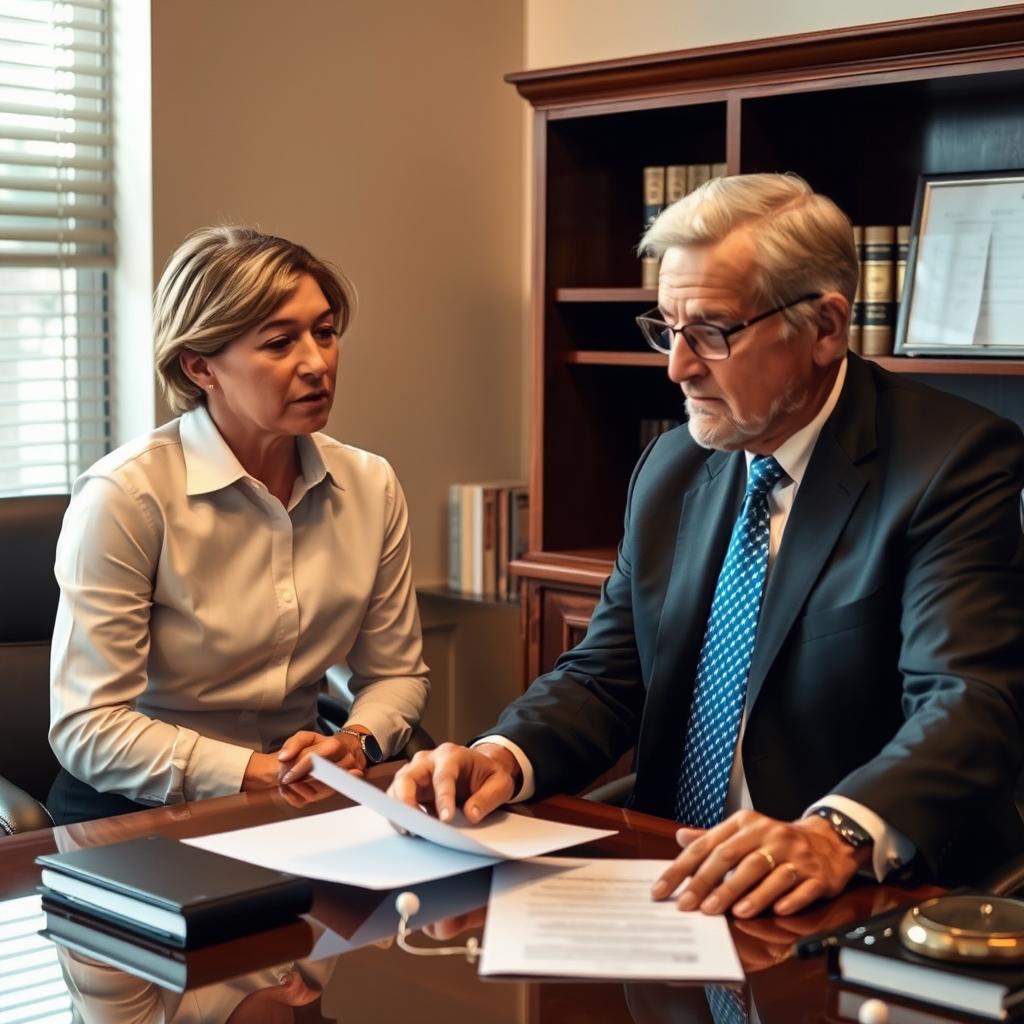
Theft Lawyer Washington DC
A theft charge in Washington, D.C., carries serious consequences. The D.C. Code classifies theft by the value of the property taken: first-degree theft (over $1,000) can bring up to 10 years in prison, while second-degree theft (under $1,000) carries up to 180 days. Because the United States Attorney’s Office for the District of Columbia—not a local district attorney—prosecutes these cases, anyone accused faces a unique federal-local hybrid legal environment. Law Offices Of SRIS, P.C. defends individuals against theft accusations in D.C. Superior Court. Call (888) 437-7747 to request a consultation. Mr. Sris and his Of Counsel bring extensive combined legal experience to theft defense. Our documented outcomes include a dismissal in a D.C. Theft matter. Results may vary. Law Offices Of SRIS, P.C. – Advocacy Without Borders.
What Theft Means in Washington, D.C.
The District of Columbia handles criminal theft under Title 22 of the D.C. Code. The offense is separated into two degrees: first-degree theft, a felony for property valued at more than $1,000, and second-degree theft, a misdemeanor for property valued at $1,000 or less. Conviction for first-degree theft can result in incarceration of up to ten years; a second-degree theft conviction carries a maximum of 180 days in jail. Fines, restitution, and a permanent criminal record are also common consequences.
Washington, D.C.’s criminal justice system is distinct. As a federal territory, local crimes are prosecuted by the United States Attorney’s Office for D.C. (USAO-DC), not by a locally elected district attorney. The Metropolitan Police Department (MPD) makes arrests, but the charging decisions and courtroom advocacy come from federal prosecutors. This hybrid framework influences everything from plea negotiations to sentencing recommendations, making it essential to have a defense team familiar with USAO-DC practices.
The D.C. Superior Court, located at 500 Indiana Avenue NW near Judiciary Square, handles all local criminal cases. Unlike most states, D.C. Does not use a cash bail system. Instead, the Pretrial Services Agency (a federal agency) assesses each defendant’s risk and recommends release conditions. Most individuals charged with theft are released without posting money, but the conditions of release can still restrict travel, employment, and daily life while the case is pending. Mr. Sris and his Of Counsel work to address these conditions early in the process.
How Mr. Sris and His Of Counsel Handle Theft Cases
Every theft case begins with a careful review of the evidence, the police report, and the prosecution’s theory. The team examines whether the property value was accurately assessed, because the dollar threshold determines whether the charge is a misdemeanor or a felony. They look for weaknesses in the government’s case—such as unreliable witness identifications, improper searches, or gaps in the chain of custody—that can lead to a reduction or dismissal.
Because D.C. Prosecutors come from a federal office, they often approach cases with federal-style thoroughness. Mr. Sris and his Of Counsel, with their combined experience across multiple jurisdictions, know how to engage with USAO-DC. They explore every avenue: negotiating for a reduced charge, advocating for pretrial diversion when available, and, if necessary, taking the case to trial. The timeline depends on the complexity of the evidence and the court’s calendar, but the defense team remains proactive at each stage.
About Mr. Sris and His Of Counsel Team
Mr. Sris, Owner and Founder of Law Offices Of SRIS, P.C., has practiced criminal defense since 1997. A former prosecutor, he understands how the government builds a theft case and identifies the points where a defense can be most effective. He has testified before the Virginia House Courts of Justice Committee in support of 2019 HB 635 (chief patron Del. David Bulova), and his practice spans Virginia, Maryland, the District of Columbia, New Jersey, and New York.
Mr. Sris is joined by Of Counsel attorneys who bring additional depth to theft defense. The team’s extensive combined legal experience allows them to approach each matter with a thorough, multi-state perspective. Mr. Sris and his Of Counsel bring extensive combined legal experience to theft defense. Results may vary.
Frequently Asked Questions
What are the penalties for theft in Washington, D.C.?
First-degree theft (over $1,000) is a felony punishable by up to ten years in prison; second-degree theft (under $1,000) is a misdemeanor with a maximum of 180 days in jail. Fines, restitution payments, and a lasting criminal record are additional consequences. The actual sentence depends on the defendant’s history, the value and nature of the property, and the strength of the prosecution’s evidence. An experienced defense attorney can present mitigating factors that may reduce the penalty.
Who prosecutes theft cases in Washington, D.C.?
The United States Attorney’s Office for the District of Columbia (USAO-DC) prosecutes local theft cases, not a local district attorney. Because D.C. Is a federal territory, federal prosecutors handle violations of the D.C. Code in D.C. Superior Court. This means the prosecuting office operates differently from most state-level district attorney offices, and understanding its internal procedures can be critical for an effective defense.
Does D.C. Use cash bail for theft charges?
No, D.C. Does not have a traditional cash bail system; instead, the Pretrial Services Agency (PSA) conducts a risk assessment and recommends release conditions. Most people charged with theft are released without posting money, often under conditions such as check-ins, travel restrictions, or drug testing. The PSA’s recommendation is influential, and early involvement of counsel can help present a more complete picture of the defendant’s ties to the community.
How can a lawyer help defend against a theft charge in D.C.?
A theft defense lawyer can challenge the valuation of the property, the identity of the accused, the lawfulness of the arrest, and the reliability of witness statements, potentially experienced to a dismissal or a reduced charge. In D.C., because the prosecution comes from a federal office, a locally knowledgeable attorney can navigate plea discussions, pretrial diversion programs, and evidentiary hearings with insight into how USAO-DC operates. For a consultation, reach Mr. Sris and his Of Counsel at (888) 437-7747.
What should I do if I am under investigation for theft in D.C.?
Do not speak to law enforcement without an attorney present, preserve any documents or communications related to the incident, and contact a criminal defense lawyer immediately. Even before an arrest, statements made to police or on social media can be used against you. Early legal guidance can shape how—and whether—charges are filed. To discuss the details of your matter, contact Law Offices Of SRIS, P.C. at (888) 437-7747.
Can a theft conviction be sealed or expunged in D.C.?
Yes, under certain conditions, D.C. Allows record sealing for theft convictions after a waiting period, and many non-conviction outcomes are eligible for immediate sealing. D.C. Code § 16-803 governs record sealing, and eligibility depends on the final disposition of the case and the time that has passed since completion of the sentence. An attorney can assess whether your theft record qualifies for sealing and guide you through the petition process at D.C. Superior Court.
Related Legal Services:
- Georgetown theft defense lawyer
- Spring Valley theft defense lawyer
- Cleveland Park theft defense lawyer
- Chevy Chase DC theft defense lawyer
- American University Park theft defense lawyer
Authoritative Sources:
- D.C. Code Title 22 – Criminal Offenses and Penalties
- DC Superior Court
- U.S. Attorney’s Office for the District of Columbia
Attorney advertising. Prior results do not guarantee a similar outcome.
Results may vary.
Case results depend on a variety of factors unique to each case.