
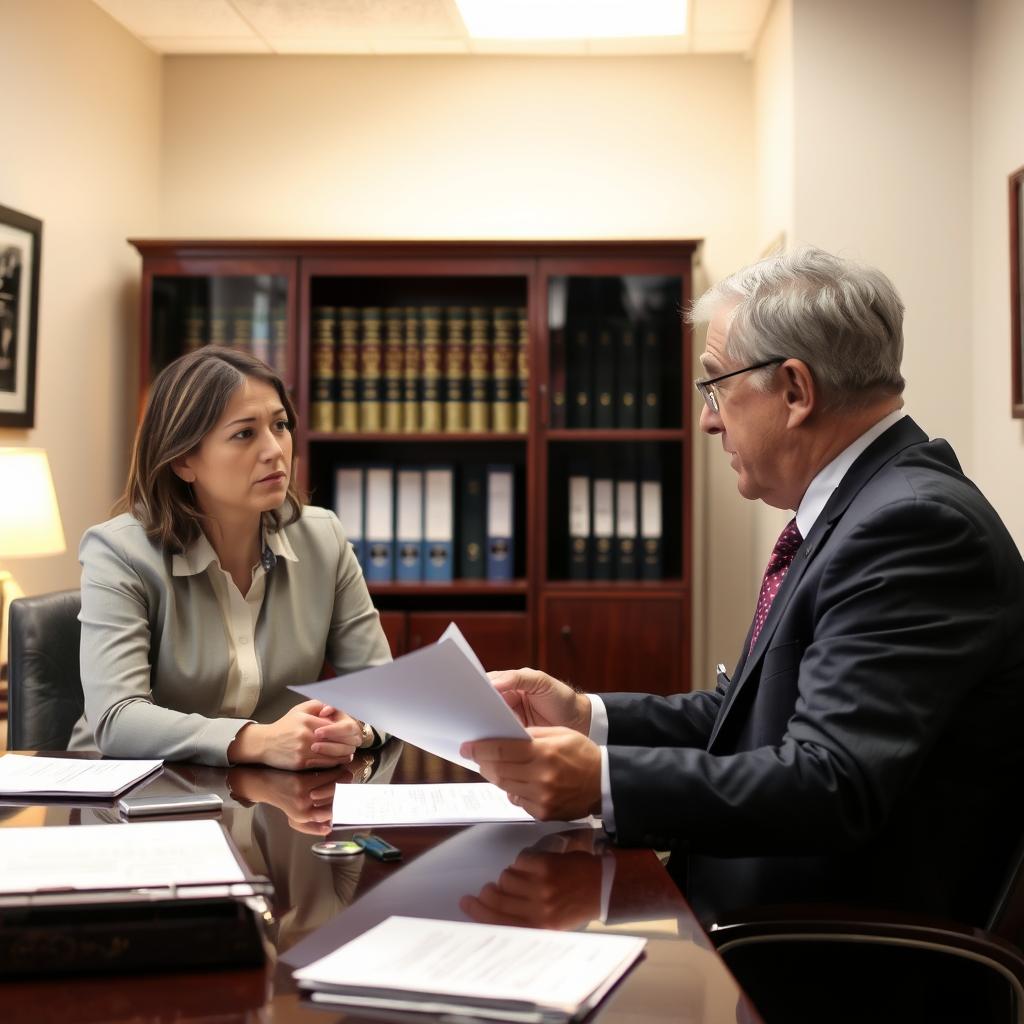
Juvenile Defense Lawyer Baltimore County — Protecting Your Child’s Future
A juvenile charge in Baltimore County can have serious, long-term consequences for your child’s record and future. Under Maryland law, juvenile proceedings are handled separately from adult court, but the outcomes are critical. Law Offices Of SRIS, P.C. provides focused defense for minors at the District Court of MD for Baltimore County – Towson.
Understanding Juvenile Law in Baltimore County, Maryland
In Maryland, juvenile cases are governed by the Courts and Judicial Proceedings Article of the Maryland Code. The primary goal of the juvenile justice system is rehabilitation, not punishment. However, a finding of involvement (similar to a conviction in adult court) can still lead to detention, probation, mandatory counseling, and a permanent record that may affect education and employment. Cases are heard at the District Court of MD for Baltimore County – Towson, located at 120 East Chesapeake Avenue.
Last verified: April 2026 | District Court of MD for Baltimore County – Towson | Maryland General Assembly
Official Legal Resources
For the official text of Maryland’s juvenile laws, refer to the Maryland Courts and Judicial Proceedings Code, Title 3, Subtitle 8A (official Maryland General Assembly). For court-specific procedures and forms, visit the District Court of MD for Baltimore County – Towson website.
Baltimore County Juvenile Court Process & Strategy
The juvenile process in Towson begins with a referral or petition. Key local procedural fact: Baltimore County District Court handles all juvenile delinquency hearings. The State’s Attorney for Baltimore County prosecutes these cases. A critical disposition is an informal adjustment or consent decree, which can avoid a formal finding of involvement. Our insider observation is that early, proactive engagement with the juvenile intake officer and prosecutor can often lead to diversion programs.
- Initial Hearing & Intake: Your child will have an initial hearing. An intake officer assesses the case for diversion possibilities.
- Adjudicatory Hearing: If the case proceeds, this is the trial phase where the court determines if the child is involved in the alleged acts.
- Disposition Hearing: If involved, the court holds a separate hearing to decide the consequences, focusing on rehabilitation.
- Post-Disposition: This may include probation, community service, counseling, or detention. Compliance is monitored.
Potential Consequences in Juvenile Court
In Baltimore County, juvenile offenses can lead to detention, probation, fines, restitution, community service, and mandatory programs, all aimed at rehabilitation but with lasting implications.
| Offense Type | Court Focus | Potential Outcomes | Long-Term Impact |
|---|---|---|---|
| Delinquency Act (Misdemeanor) | Rehabilitation | Probation, counseling, community service, restitution | Juvenile record may be shielded but can be accessed in certain circumstances. |
| Delinquency Act (Felony) | Rehabilitation & Public Safety | Detention in a juvenile facility, intensive supervised probation | More serious record; potential for waiver to adult court for certain crimes. |
| Status Offenses (Truancy, Runaway) | Welfare & Services | Referral to social services, family counseling | Focus on addressing underlying family or school issues. |
Results may vary. Prior results do not guarantee a similar outcome.
Why Choose Our Juvenile Defense Lawyers
Founded in 1997, Law Offices Of SRIS, P.C. brings over 120 years of combined legal experience to every case. Our tagline, “Advocacy Without Borders,” reflects our commitment to vigorous defense. Mr. Sris, the firm’s founder and a former prosecutor, provides strategic oversight on complex matters. We understand that a juvenile case is about protecting a child’s future, not just handling a legal process.
Documented Case Results
Our firm-wide record includes 4,739+ documented case results with over 93% favorable outcomes. While specific juvenile case results are kept confidential to protect minors’ privacy, our approach is consistent: we work to achieve dismissals, diversions, consent decrees, and favorable dispositions that minimize impact on a young person’s record and future. For example, Mr. Sris and our team have successfully resolved serious charges, including those involving sensitive matters, by negotiating for treatment and supervision in lieu of detention.
Results may vary. Prior results do not guarantee a similar outcome.
Juvenile Defense Lawyer Near Me Baltimore County
Our Maryland location serves clients throughout Baltimore County, including Towson, Dundalk, Essex, Catonsville, Pikesville, Cockeysville, Reisterstown, Owings Mills, Perry Hall, White Marsh, and Timonium. We are accessible via I-695, I-83, and I-95.
Law Offices Of SRIS, P.C. — Maryland
199 E Montgomery Ave Suite 100 Room 211, Rockville, MD 20850
Toll-Free: (888) 437-7747 | Local: (888)-437-7747
By appointment only. 24/7 phone consultations.
Frequently Asked Questions
What is the difference between adult and juvenile court in Baltimore County?
It depends. Juvenile court focuses on rehabilitation and the child’s best interest, while adult court emphasizes punishment. Proceedings are generally confidential, and outcomes are called “dispositions” instead of sentences. However, for certain serious crimes, a juvenile can be waived to adult court.
Will a juvenile record in Maryland affect college or job applications?
It can. While juvenile records are generally shielded from the public, they are not automatically expunged and may be accessible to certain government agencies, law enforcement, and in some licensing contexts. An affordable juvenile defense lawyer Baltimore County can advise on sealing or expunging the record.
Can my child be detained in a juvenile facility?
Yes. For more serious offenses or if the court believes the child is a danger to themselves or the community, the court can order detention in a juvenile facility pending the outcome of the case or as part of the final disposition.
What is a “consent decree” in Maryland juvenile cases?
A consent decree is a formal agreement between the court, the State’s Attorney, and the juvenile. The child admits to the facts of the case, and the court withholds a finding of involvement while the child completes specific conditions like probation or counseling. Successful completion leads to case dismissal.
Do I need a juvenile defense lawyer for a first-time minor offense?
Yes. Even a minor first offense can have consequences. A lawyer can advocate for diversion programs, negotiate with the intake officer, and ensure your child’s rights are protected throughout the process, often skilled to a better outcome without a formal record.
Related Practice Areas: For other legal needs in the area, see our pages on Criminal Defense Lawyer Baltimore County and DUI/DWI Lawyer Baltimore County.
Also Serving: Our juvenile defense lawyers also assist families in Montgomery County and Prince George’s County.
Back to Hub: Maryland Criminal Defense Lawyer Overview.
Page last verified and updated: April 2026. Laws and procedures change. Contact Law Offices Of SRIS, P.C. at (888) 437-7747 for current legal guidance regarding juvenile defense in Baltimore County.
Office visits by appointment only. Phone consultations available 24/7.