
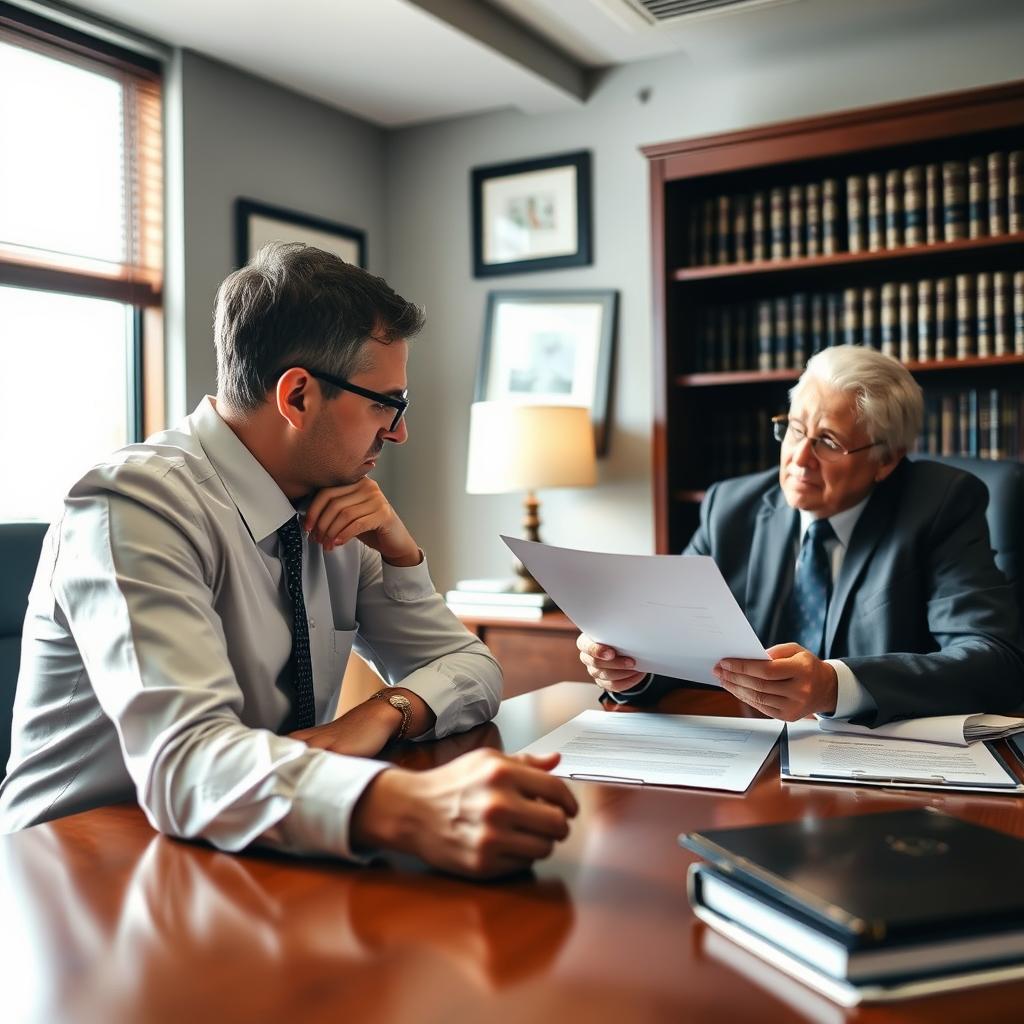
Juvenile Defense Lawyer in Baltimore County, Maryland
If your child is facing juvenile charges in Baltimore County, securing a dedicated juvenile defense lawyer is critical. The Law Offices Of SRIS, P.C. provides strong representation for minors in the District Court of MD for Baltimore County – Towson. A juvenile record can impact education, employment, and future opportunities.
Understanding Juvenile Law in Maryland
In Maryland, the juvenile justice system handles cases involving minors (typically under 18) accused of delinquent acts, which would be crimes if committed by an adult. The system’s stated goal is rehabilitation, not punishment. Proceedings occur in the District Court’s Juvenile Division, such as the one in Towson for Baltimore County cases. The process is generally confidential, but outcomes can still have serious, long-term consequences.
Last verified: April 2026 | District Court of MD for Baltimore County – Towson | Maryland General Assembly Statutes
Official Legal Resources
For the official text of Maryland’s juvenile laws, refer to the Md. Code, Courts and Judicial Proceedings Article, Title 3 (Juvenile Causes). Information about court procedures and locations can be found on the District Court of Maryland’s official website for the Towson location.
Local Juvenile Court Process in Baltimore County
The juvenile process in Baltimore County begins with a referral, often from law enforcement. An intake officer reviews the case and may recommend diversion to services, filing a petition, or dismissing the matter. If a petition is filed, the case proceeds to adjudication (similar to a trial) before a judge. If the allegations are sustained, a disposition hearing is held to determine consequences, which focus on rehabilitation.
- Initial Contact & Intake: After an arrest or citation, the case is referred to the Department of Juvenile Services (DJS) for an intake assessment.
- Detention Hearing (if applicable): If the minor is detained, a hearing must be held within 24 hours to determine if they should be released to a parent or guardian.
- Adjudication Hearing: This is the fact-finding hearing where the judge determines if the minor committed the alleged delinquent act. The State must prove its case.
- Disposition Hearing: If the allegations are sustained, this hearing determines the rehabilitation plan, which may include probation, community service, counseling, or, in serious cases, commitment to a DJS facility.
- Review Hearings: The court holds periodic reviews to monitor the minor’s progress on probation or in a treatment program.
Potential Outcomes in Juvenile Cases
In Baltimore County, juvenile dispositions aim for rehabilitation and can range from dismissal and diversion programs to probation or commitment.
| Potential Disposition | Description | Typical Duration / Conditions |
|---|---|---|
| Diversion | Case is handled informally without a formal petition, often requiring community service, counseling, or restitution. | Program completion results in case closure. |
| Probation | The minor is supervised in the community under specific court-ordered rules. | 6 months to 2 years; must attend school, obey laws, meet with a probation officer. |
| Commitment to DJS | For more serious or repeat offenses, the minor may be placed in a juvenile facility. | Length varies; focus on education, therapy, and structured programming. |
| Restitution / Community Service | Court-ordered payment to victims or service to the community. | Amount/service hours set by the court. |
Results may vary. Prior results do not guarantee a similar outcome.
Why Choose Our Firm for Juvenile Defense
Founded in 1997 by former prosecutor Mr. Sris, the Law Offices Of SRIS, P.C. brings a deep understanding of both sides of the courtroom to juvenile defense. Our firm-wide track record includes over 4,739 documented case results. We recognize that a juvenile case is about more than the immediate charge—it’s about safeguarding a young person’s future. Our approach combines vigorous defense with a focus on achieving outcomes that allow for rehabilitation and a clean record where possible.
Case Results & Client Advocacy
Our attorneys work diligently to achieve the best possible results in juvenile cases. While every case is unique, our goals often include seeking diversion programs to avoid formal adjudication, negotiating for probation with rehabilitative services instead of detention, or advocating for case dismissal when appropriate. For instance, our team has successfully resolved cases involving theft, assault, and drug possession by securing dispositions that allowed minors to avoid a formal record upon completion of counseling and community service.
Results may vary. Prior results do not guarantee a similar outcome.
Firm founder Mr. Sris, with his background as a former prosecutor and decades of multi-state practice, provides strategic oversight on complex juvenile matters, ensuring every client benefits from extensive legal experience.
Contact Our Baltimore County Juvenile Defense Lawyer
Law Offices Of SRIS, P.C.
199 E Montgomery Ave Suite 100 Room 211, Rockville, MD 20850
Toll-Free: (888) 437-7747 | Local: (888)-437-7747
By appointment only. 24/7 phone consultations.
Our Maryland location serves clients throughout Baltimore County, including Towson, Dundalk, Essex, Catonsville, Pikesville, Cockeysville, Reisterstown, Owings Mills, Perry Hall, White Marsh, and Timonium. If you are searching for a juvenile defense lawyer near me Baltimore, we are accessible from I-695, I-83, and I-95. We understand the urgency of juvenile charges and offer immediate phone support.
Frequently Asked Questions
What is the difference between juvenile court and adult court in Maryland?
Yes, there are major differences. Juvenile court focuses on rehabilitation, proceedings are generally confidential, and dispositions are not called “sentences.” The goal is to correct behavior, not punish. An adjudication is not a criminal conviction.
Can a juvenile record be sealed or expunged in Maryland?
Yes, in many cases. Maryland law allows for the expungement of juvenile records under specific conditions, such as after reaching age 18, completing probation, or after a waiting period. An affordable juvenile defense lawyer Baltimore can advise on your child’s eligibility and guide you through the petition process.
Will my child go to jail for a juvenile offense?
It depends on the severity of the offense and the child’s history. Incarceration in a juvenile facility is typically a last resort for serious or repeat offenses. The court prioritizes community-based solutions like probation, counseling, and diversion programs.
Do parents have to pay for a juvenile defense lawyer?
Yes, parents are generally responsible for legal fees. However, if the family cannot afford an attorney, the court may appoint a public defender. Consulting with a private juvenile defense lawyer Baltimore early can provide more personalized attention and strategy.
Can a juvenile be tried as an adult in Baltimore County?
For certain very serious crimes, a juvenile can be charged as an adult through a waiver process. This is a critical area where experienced legal defense is essential to challenge the waiver and keep the case in the juvenile system.
For more information on related legal matters, see our pages on Maryland Criminal Defense, Criminal Defense in Montgomery County, and DUI Defense in Baltimore County.
Last verified: April 2026. Laws change — contact Law Offices Of SRIS, P.C. at (888) 437-7747 for current guidance.
Office visits by appointment only. Phone consultations available 24/7.