
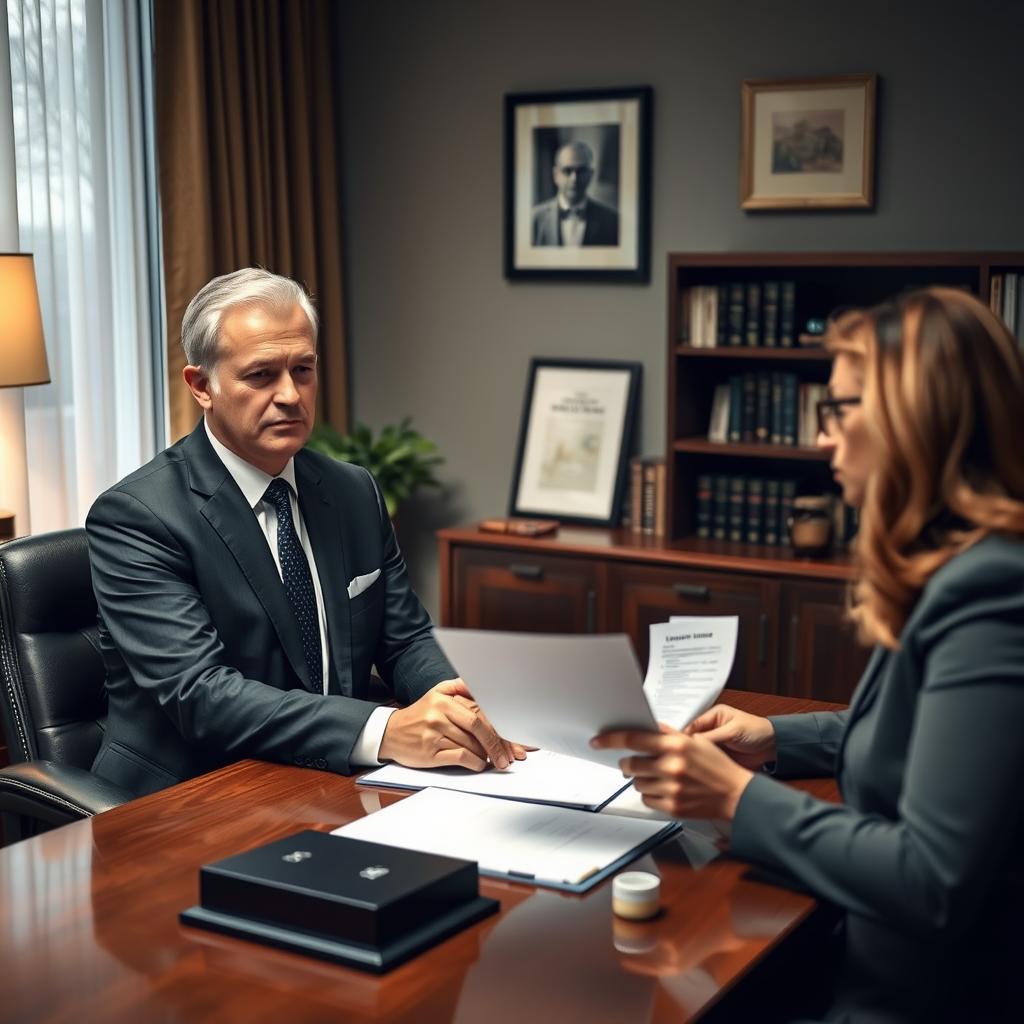
Armed Robbery Lawyer American University Park, DC
An armed robbery charge in Washington, D.C., is one of the most serious allegations a person can face, carrying the potential for long-term imprisonment and a permanent felony record. In American University Park—a residential neighborhood that sits just west of Tenleytown and north of Spring Valley—criminal cases proceed through the D.C. Superior Court at 500 Indiana Avenue NW. Because Washington, D.C., is a federal territory, local felony offenses such as armed robbery are prosecuted by the United States Attorney’s Office for the District of Columbia, not by a local district attorney’s office. This unique prosecutorial structure means that anyone accused of armed robbery in American University Park confronts federal-level prosecutorial resources, federal charging practices, and the full weight of federal sentencing advocacy—even though the offense is charged under the D.C. Code. Mr. Sris and his Of Counsel team at Law Offices Of SRIS, P.C. understand the stakes and have practiced in the District of Columbia criminal courts for years. To discuss your situation, reach the firm at (888) 437-7747. Law Offices Of SRIS, P.C. – Advocacy Without Borders.
What Armed Robbery Means in American University Park
Armed robbery in the District of Columbia is governed by D.C. Code Title 22, which treats robbery as a felony offense with enhanced penalties when a weapon is involved. The offense generally requires proof that the accused took property from another person by force or intimidation while armed with a dangerous weapon. A conviction can result in a term of years to life imprisonment, depending on the circumstances of the case and the defendant’s prior record. Because the prosecution is brought by the U.S. Attorney’s Office, the case proceeds under federal-style charging and plea practices that are distinct from those in many surrounding states. In American University Park, the arresting agency is typically the Metropolitan Police Department (MPD), and the initial appearance, preliminary hearing, and trial all occur at the D.C. Superior Court Criminal Division.
The geographic scope of a charge matters. American University Park is situated in Ward 3, a largely residential area near the Maryland border. MPD’s Second District covers American University Park, and the police reports that form the basis of an armed robbery prosecution often include witness statements, surveillance footage, and forensic evidence gathered from the neighborhood. Understanding how local law enforcement operates and how the U.S. Attorney’s Office evaluates evidence from this area can be important in building a defense. Mr. Sris and his Of Counsel team review the government’s evidence carefully and examine whether the police followed constitutionally required procedures during stops, searches, and identifications.
The D.C. Superior Court is a unified trial court, and its Criminal Division handles both misdemeanors and felonies. Armed robbery is a felony, so the case will proceed through a felony status hearing, a preliminary hearing if indictment has not yet been obtained, and potentially a grand jury indictment. The court’s Pretrial Services Agency (PSA) conducts a risk assessment to recommend release conditions; D.C. Does not use a traditional cash-bail system for most offenses. Understanding how PSA reports influence detention decisions can be critical in the early stages of a case. Mr. Sris and his Of Counsel can explain each step, advocate for reasonable release conditions, and prepare the defense from the initial appearance onward.
How Mr. Sris and His Of Counsel Handle Armed Robbery Cases
Every armed robbery defense starts with a thorough analysis of the government’s evidence. The prosecution must prove every element of the offense beyond a reasonable doubt: that a taking occurred, that it was accomplished by force or intimidation, and that the defendant was armed. A weapon used during the offense may be a firearm, a knife, or any object that can cause serious bodily harm. If the evidence on any element is weak, Mr. Sris and his Of Counsel may seek dismissal or a reduction of the charges. They also examine whether the identification procedures were suggestive or unreliable, whether physical evidence was properly handled, and whether any statements made by the accused were obtained in compliance with Miranda and D.C. Law.
The defense strategy is tailored to the specific facts and the record of the investigating officers. In some cases, the defense may present alibi evidence, challenge the credibility of eyewitnesses, or retain forensic experts to scrutinize the government’s testing. In other cases, negotiating with the U.S. Attorney’s Office for a charge reduction—for example, from armed robbery to simple robbery or theft—may be the trusted path. Because the U.S. Attorney’s Office exercises its own charging discretion, the defense can raise mitigating factors early and make a persuasive presentation at the pre-indictment or status-conference stage. Mr. Sris and his Of Counsel are experienced in these negotiations and understand how to present evidence in a way that highlights weaknesses in the prosecution’s case.
If trial is the client’s choice, the defense prepares for litigation in the D.C. Superior Court. The firm’s attorneys are familiar with the judges, the local rules of criminal procedure, and the evidentiary standards that apply in felony trials. They work to select a fair jury, cross-examine government witnesses effectively, and present a coherent defense theory. Throughout the process, the client receives straightforward advice about the risks of going to trial and the potential consequences of a conviction, so that every decision is made with a clear understanding of the options.
About Mr. Sris and His Of Counsel Team
Mr. Sris, Owner and Founder of Law Offices Of SRIS, P.C., founded the firm in 1997. He is a former prosecutor and has practiced criminal law for many years across Virginia, Maryland, the District of Columbia, New Jersey, and New York. His experience as a former prosecutor gives him insight into how the government builds its case and where its vulnerabilities lie. Mr. Sris testified before the Virginia House Courts of Justice Committee in support of 2019 HB 635 (chief patron Del. David Bulova). His Of Counsel team includes attorneys with extensive backgrounds in criminal defense and trial advocacy, including experience in D.C. Superior Court.
Mr. Sris and his Of Counsel bring extensive combined legal experience. Results may vary. The firm has represented clients facing serious felony charges in the District of Columbia and can provide the thorough, detail-oriented defense that armed robbery allegations demand. Reach the firm at (888) 437-7747 to request a consultation.
Frequently Asked Questions
Who prosecutes armed robbery cases in D.C.?
Criminal cases in D.C., including armed robbery, are prosecuted by the United States Attorney’s Office for the District of Columbia, not a local district attorney. This means that even though the charge arises under the D.C. Code, the prosecution is brought by federal prosecutors who are part of the U.S. Department of Justice. The unique hybrid structure of D.C.’s criminal justice system makes it essential to work with an attorney who is familiar with federal prosecutorial practices and the D.C. Superior Court. Mr. Sris and his Of Counsel have practiced in this system for years.
What are the potential penalties for armed robbery in D.C.?
Armed robbery is a felony under D.C. Law that can carry a sentence of years to life imprisonment, depending on the circumstances and the defendant’s prior record. Because the offense involves a weapon, the court has substantial sentencing discretion, and the U.S. Attorney’s Office often seeks lengthy incarceration. Additional consequences may include restitution to the victim, supervised release, and a permanent felony record that affects employment, housing, and firearm rights. The specific sentence is influenced by the facts of the case, the defendant’s background, and the quality of the defense presentation.
How can a lawyer help with an armed robbery case in American University Park?
A lawyer can challenge the government’s evidence, protect your constitutional rights, and work to achieve a favorable resolution—whether through dismissal, charge reduction, or trial. In armed robbery cases, critical evidence often includes witness identification, forensic analysis, and police reports. A defense attorney can investigate whether the police followed proper procedures, negotiate with the U.S. Attorney’s Office, and prepare the case for trial if necessary. Mr. Sris and his Of Counsel review every piece of evidence and develop a defense strategy tailored to the facts.
Does D.C. Use grand juries for felony charges?
Yes, felony cases in D.C., including armed robbery, are typically presented to a grand jury for indictment. The grand jury hears evidence from the prosecution and decides if there is probable cause to proceed. The defense does not present evidence at this stage, but an experienced attorney can sometimes engage with the prosecutor before the indictment to raise factual or legal issues that may affect the charging decision. After indictment, the case proceeds to arraignment and further court hearings.
What happens at the initial appearance in D.C. Superior Court?
At the initial appearance, the judge informs the defendant of the charges, appoints counsel if needed, and makes a decision about pretrial release. D.C. Does not use cash bail for most offenses; instead, the Pretrial Services Agency (PSA) conducts a risk assessment and recommends release conditions. The judge considers the PSA report, the seriousness of the offense, and the defendant’s ties to the community. Having an attorney present at this hearing is critical because the release decision can affect the entire course of the case.
Can an armed robbery charge be reduced to a lesser offense?
Yes, in some cases the U.S. Attorney’s Office may agree to reduce an armed robbery charge to a lesser offense, such as simple robbery or theft, depending on the strength of the evidence and the defendant’s background. Mitigating factors—such as the lack of a prior record, weak identification evidence, or problems with the weapon allegation—can support a reduction. Mr. Sris and his Of Counsel can present these factors to the prosecutor early in the case and negotiate for a fair resolution when a trial is not in the client’s best interest.
Related pages:
Washington, D.C. Criminal Defense Lawyer |
Criminal Defense Lawyer Georgetown, DC |
Criminal Defense Lawyer Spring Valley, DC |
Criminal Defense Lawyer Cleveland Park, DC |
Criminal Defense Lawyer Chevy Chase, DC
Primary legal sources:
D.C. Code Title 22 (Criminal Offenses) |
D.C. Superior Court |
U.S. Attorney’s Office for D.C.
Attorney advertising. Prior results do not guarantee a similar outcome. Case results depend on a variety of factors unique to each case. Results may vary.
Attorney responsible for this advertising: Mr. Sris.
By appointment only. Reach Law Offices Of SRIS, P.C. at (888) 437-7747 to schedule.