
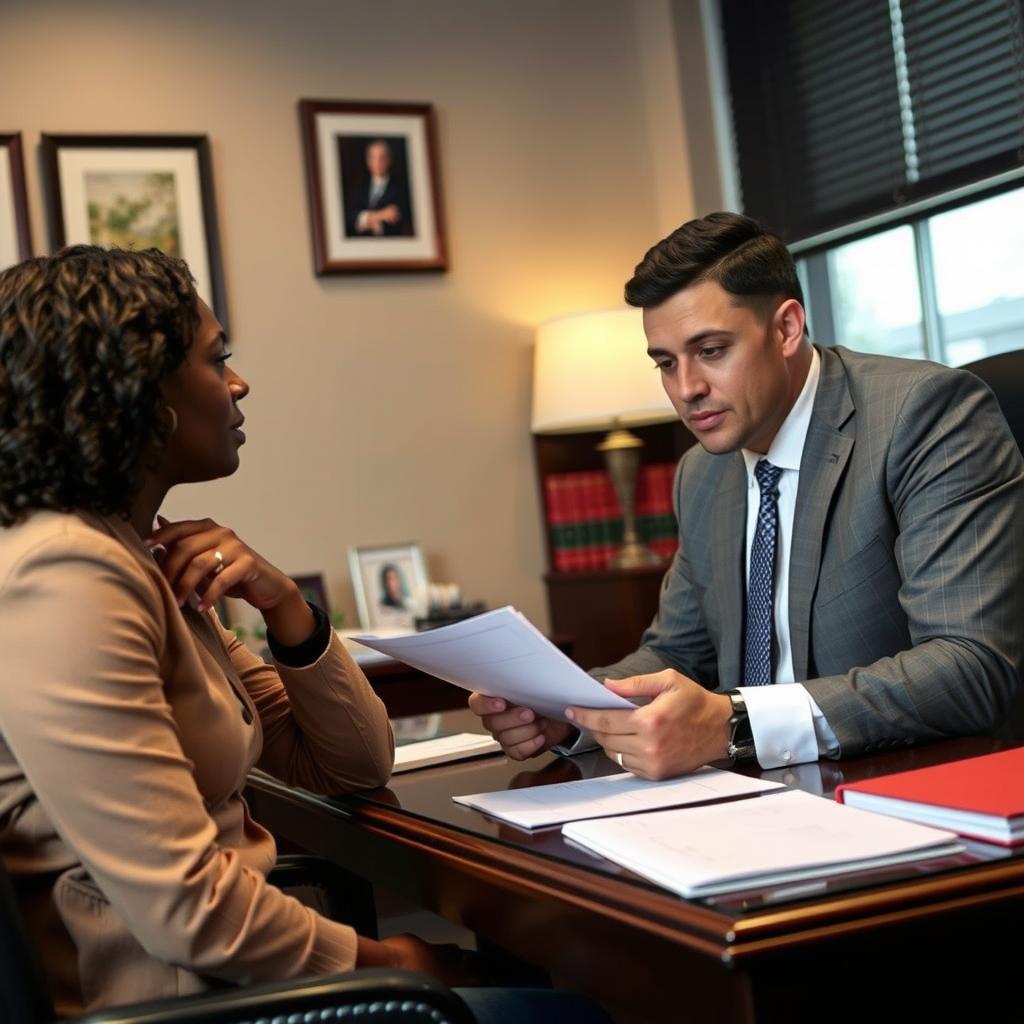
Controlled Substance Lawyer Southwest Waterfront, DC
If you are facing a controlled substance charge in Southwest Waterfront, Washington, D.C., the legal process can feel unfamiliar and intimidating. The United States Attorney’s Office for the District of Columbia prosecutes criminal cases under the D.C. Code, and D.C. Superior Court at 500 Indiana Avenue NW hears all local drug‑related matters. Law Offices Of SRIS, P.C. represents individuals in Southwest Waterfront and throughout the District against a range of controlled substance allegations, including possession, distribution, and possession with intent to distribute. Our firm, founded in 1997, brings extensive experience to drug‑offense defense in D.C.’s unique federal‑local hybrid jurisdiction. To discuss your situation, reach Law Offices Of SRIS, P.C. at (888) 437‑7747. Law Offices Of SRIS, P.C. – Advocacy Without Borders.
What Controlled Substance Charges Mean in Southwest Waterfront, DC
Controlled substance offenses in Washington, D.C., are governed by D.C. Code Title 22 and are prosecuted by the U.S. Attorney’s Office for the District of Columbia — not a local district attorney. The Metropolitan Police Department makes arrests, and cases proceed in the Criminal Division of D.C. Superior Court. Southwest Waterfront residents and commuters who are charged with a drug crime appear at the same courthouse, 500 Indiana Avenue NW, easily accessible from the Waterfront and Navy Yard neighborhoods via the Green Line or bus routes.
D.C. Drug laws cover a broad spectrum of conduct, from simple possession of a controlled substance to more serious charges such as distribution or manufacturing. While the District has largely decriminalized personal‑use quantities of certain drugs and legalized possession of up to two ounces of marijuana for adults 21 and older, many substances — including cocaine, heroin, fentanyl, and unprescribed pharmaceuticals — remain strictly regulated. A conviction for a drug felony can carry incarceration, substantial fines, and a permanent criminal record that affects employment, housing, and professional licensing. The Pretrial Services Agency (a federal agency) conducts risk assessments and recommends release conditions instead of cash bail, but the stakes of a drug prosecution remain high.
Because D.C. Is a federal territory, the U.S. Attorney brings charges under the D.C. Code, which means federal prosecutorial resources and practices come into play. An attorney who routinely appears in D.C. Superior Court and understands the intersection of local drug statutes, federal charging policies, and local diversion programs can help you assess whether a motion to suppress, a request for a deferred sentencing agreement, or a trial is the appropriate path in your case.
How Mr. Sris and His Of Counsel Handle Controlled Substance Cases
Law Offices Of SRIS, P.C. approaches every controlled substance case with a thorough review of the government’s evidence and the circumstances of the arrest. Mr. Sris, a former prosecutor, and the firm’s Of Counsel team examine whether law enforcement complied with constitutional search‑and‑seizure requirements, whether any statements were obtained in violation of Miranda, and whether the substance at issue was lawfully tested and handled. Where procedural weaknesses exist, the firm pursues motions to exclude evidence and may seek dismissal.
If a pretrial resolution is not in the client’s best interest, Mr. Sris and his Of Counsel are prepared to try the case. The firm’s DC criminal practice is led by an Of Counsel attorney with extensive D.C. Superior Court experience who understands the evidentiary standards and plea‑negotiation dynamics unique to the District. Throughout the process, the firm keeps clients informed of case developments and explains the advantages and risks of each strategic option. The goal is to work toward the most favorable outcome available under the facts of the case and D.C. Law.
About Mr. Sris and His Of Counsel Team
Mr. Sris founded Law Offices Of SRIS, P.C. in 1997 after serving as a prosecutor. His prosecutorial background gives him insight into how the government builds drug cases and where they can be challenged. Mr. Sris is admitted to practice in Virginia, Maryland, the District of Columbia, New Jersey, and New York. He testified before the Virginia House Courts of Justice Committee in support of 2019 HB 635 (chief patron Del. David Bulova).
Mr. Sris and his Of Counsel bring extensive combined legal experience to criminal defense matters across all five firm jurisdictions. The firm’s DC‑based Of Counsel team regularly appears in D.C. Superior Court on felony and misdemeanor drug charges. Together, the team works to protect clients’ rights while navigating the procedural rules and negotiating practices of the D.C. Criminal justice system. Results may vary.
Frequently Asked Questions
Who prosecutes controlled substance cases in Washington, D.C.?
Criminal cases in D.C., including controlled substance offenses, are prosecuted by the United States Attorney’s Office for the District of Columbia. Because the District is a federal territory, the U.S. Attorney prosecutes both local D.C. Code violations and federal offenses. Drug cases are heard at D.C. Superior Court, 500 Indiana Avenue NW. The prosecution uses federal resources, and the Pretrial Services Agency — not a cash‑bail system — handles release assessments. An attorney experienced with this unique structure can evaluate the government’s charging decisions and procedural posture from the outset.
Does DC have cash bail for drug offenses?
No. Washington, D.C., does not use a traditional cash‑bail system. Instead, the Pretrial Services Agency, a federal agency, conducts a risk assessment and makes release recommendations to the court. Most defendants are released without posting money, often under supervised conditions. The court may impose drug testing, treatment, or curfew conditions. Understanding the PSA process is critical when a loved one is arrested in Southwest Waterfront or elsewhere in the District.
What are the penalties for possession of a controlled substance in D.C.?
Possession of a controlled substance in Washington, D.C., can range from a misdemeanor to a felony depending on the substance, the quantity, and the defendant’s record. Simple possession of many substances may remain a misdemeanor, while possession with intent to distribute or distribution of Schedule I or II narcotics can carry felony exposure and the possibility of incarceration. D.C. Law also offers diversion and deferred‑sentencing options for some first‑time offenders. Every case is fact‑specific; a conviction can result in a criminal record that affects employment and immigration status.
How does a DC lawyer defend against a drug distribution charge?
A defense attorney examines the legality of the stop, search, and seizure; the reliability of witness identifications; and the handling and testing of the alleged drugs. Where law enforcement violated the Fourth Amendment, a motion to suppress may lead to exclusion of evidence. The defense may also challenge whether the accused actually had dominion and control over the substance, whether statements were voluntary, and whether any confidential informant’s testimony is credible. Negotiation with the U.S. Attorney’s Office may result in reduced charges or a deferred disposition, especially for defendants with limited or no prior record.
Can a first‑time drug offense in DC result in a dismissal?
Yes, some first‑time drug offenses in Washington, D.C., may be resolved through deferred sentencing or diversion programs that can lead to dismissal. D.C. Courts and prosecutors sometimes agree to place a defendant in a treatment‑focused program with conditions. Successful completion may result in the charge being dropped, leaving no conviction on the record. Eligibility depends on the specific charge, the defendant’s background, and the U.S. Attorney’s charging policy. An experienced attorney can advocate for a diversion pathway where appropriate.
Do I need a lawyer for a controlled substance charge in Southwest Waterfront?
Yes, because drug convictions often carry lasting consequences, including incarceration, fines, and a criminal record. Even a seemingly minor possession charge can affect employment, housing, and professional licenses. An attorney who practices in D.C. Superior Court can identify procedural errors, challenge the evidence, and negotiate with the U.S. Attorney’s Office. For a consultation about your specific situation, reach Law Offices Of SRIS, P.C. at (888) 437‑7747.
Related Criminal Defense Pages
Washington, D.C. Criminal Defense Overview |
Criminal Defense Lawyer Capitol Hill DC |
Criminal Defense Lawyer Navy Yard DC |
Criminal Defense Lawyer Eastern Market DC |
Criminal Defense Lawyer Georgetown DC
Official Resources
D.C. Superior Court |
D.C. Code Online |
U.S. Attorney’s Office for the District of Columbia
Attorney advertising. Prior results do not guarantee a similar outcome. Case results depend on a variety of factors unique to each case. Results may vary.