
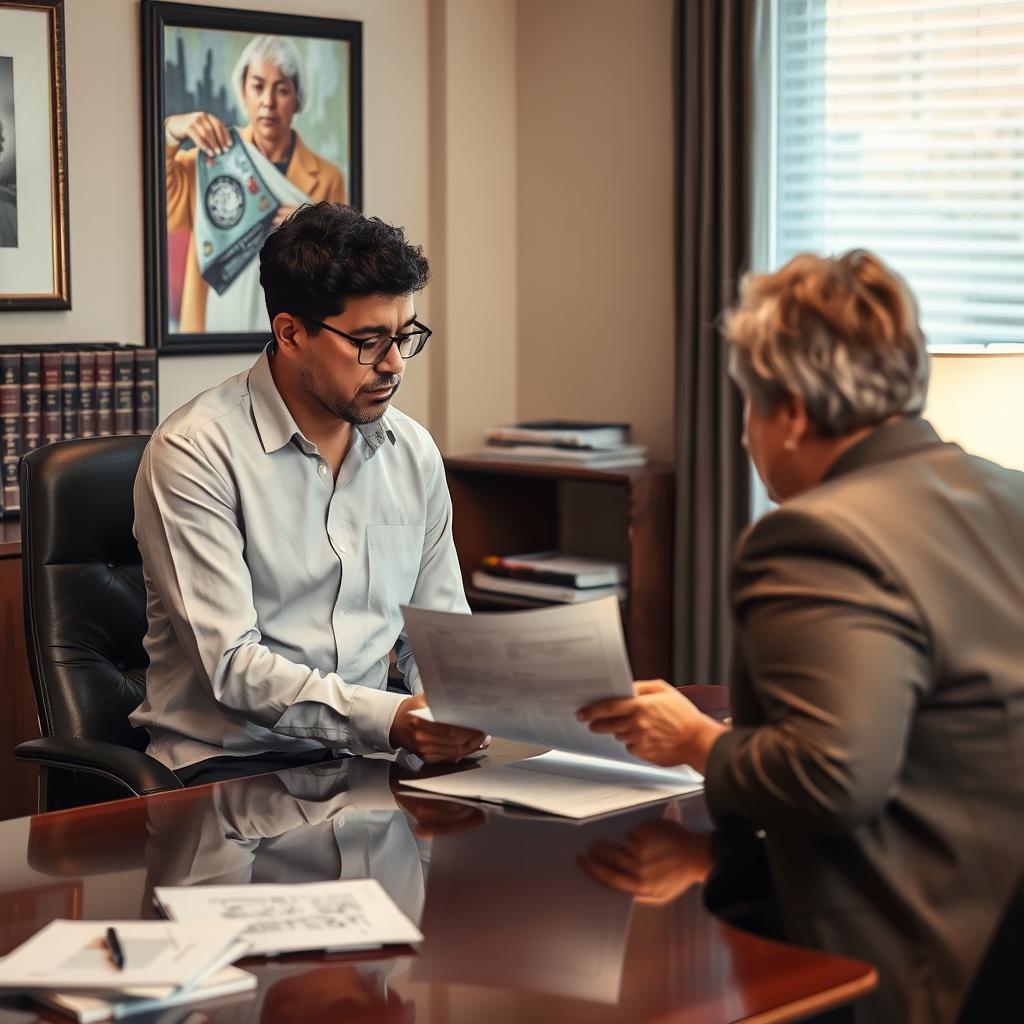
Graffiti Defense Lawyer Georgetown, DC
If you or someone close to you is facing a graffiti-related charge in Georgetown, the matter proceeds through the D.C. Superior Court at 500 Indiana Avenue NW. Graffiti offenses in the District of Columbia are prosecuted under D.C. Code Title 22 and can carry consequences that include a criminal record, fines, jail time, and community service obligations. Because the United States Attorney’s Office for the District of Columbia prosecutes these cases—not a local district attorney—the procedural landscape is distinct. Mr. Sris and his Of Counsel bring multi-state experience to Georgetown graffiti defense, representing individuals at every stage of the criminal process. To discuss your situation with an experienced attorney, call (888) 437-7747. Law Offices Of SRIS, P.C. – Advocacy Without Borders.
What Graffiti Defense Means in Georgetown
Georgetown is a historic neighborhood with a mix of residential streets, commercial corridors, and university property. A graffiti charge can arise from markings on public or private surfaces, including storefronts, walls, sidewalks, or vehicles. In the District of Columbia, these cases are typically charged as destruction of property or a related offense under the D.C. Code. The specific charge and potential penalties depend on factors such as the value of the alleged damage and whether prior convictions exist.
All Georgetown criminal matters are heard at the D.C. Superior Court—Criminal Division. The court sits at 500 Indiana Avenue NW, a short distance from the Georgetown neighborhood. Because the District does not use traditional cash bail for most offenses, a person arrested for graffiti is ordinarily processed through the Pretrial Services Agency, which assesses risk and recommends release conditions. While this can result in quick release without a bond payment, the underlying charge still moves through the court system and demands a thorough defense.
A graffiti conviction may result in a permanent mark on your record, and D.C. Law does provide avenues for record sealing under certain circumstances. An attorney familiar with the local court can help you understand whether diversion, a deferred disposition, or a negotiated resolution may be available in your case.
How Mr. Sris and His Of Counsel Handle Graffiti Defense Cases
Mr. Sris and his Of Counsel approach every Georgetown graffiti matter by first examining the evidence and the circumstances of the arrest. Law enforcement must follow specific procedures when gathering evidence, and any lapse can be challenged in court. The team reviews police reports, witness statements, photographic evidence, and property-damage assessments to identify weaknesses in the prosecution’s case.
Because D.C. Does not have a traditional cash-bail system, the initial court appearance focuses on release conditions. An experienced defense attorney can advocate for the least restrictive terms from the outset. From there, the case proceeds through status hearings, possible plea negotiations with the prosecutor, or trial if a favorable resolution cannot be reached. Throughout the process, Mr. Sris and his Of Counsel work to protect your rights and pursue favorable outcomes under the facts of your case.
About Mr. Sris and His Of Counsel Team
Mr. Sris, Owner and Founder of Law Offices Of SRIS, P.C., has been practicing since 1997. A former prosecutor, he understands how the government builds its cases and uses that knowledge to construct a well-prepared defense. Mr. Sris is admitted in Virginia, Maryland, the District of Columbia, New Jersey, and New York, and he appears regularly in District of Columbia courts, including D.C. Superior Court.
His Of Counsel bring complementary experience—some have prosecuted cases, others have handled hundreds of criminal matters in D.C. And Virginia. Together, the team works collaboratively on each matter, ensuring that every client benefits from multiple perspectives. The firm serves Georgetown clients from its Arlington location, which is approximately 4.5 miles from D.C. Superior Court. Reach our location at (888) 437-7747 to schedule a consultation.
Frequently Asked Questions
Who prosecutes criminal cases in Washington, D.C.?
All criminal cases in Washington, D.C., including graffiti offenses, are prosecuted by the United States Attorney’s Office for the District of Columbia (USAO-DC), not a local district attorney. D.C. Is a federal territory, and while local crimes are prohibited by the D.C. Code, they are prosecuted by federal prosecutors in D.C. Superior Court. The court is located at 500 Indiana Avenue NW, Washington, DC 20001. Because the prosecutorial authority is federal, the procedures can differ from those in a typical state court. An attorney familiar with the USAO-DC and D.C. Superior Court can navigate these differences effectively.
Does D.C. Have cash bail?
No, the District of Columbia does not use a traditional cash bail system for most criminal offenses. Instead, the Pretrial Services Agency (PSA)—a federal agency—conducts a risk assessment and recommends release conditions to the court. Many defendants are released without posting any money. The PSA may recommend supervision, drug testing, or stay-away orders as conditions of release. Even though cash bail is rare, it is still important to have an attorney at the initial appearance to argue for the least restrictive conditions available.
Can I get my D.C. Criminal record sealed after a graffiti charge?
Yes, D.C. Law permits record sealing for certain graffiti-related offenses under D.C. Code § 16-803. Eligibility depends on several factors, including how the case was resolved—whether by acquittal, dismissal, or a qualifying conviction after a waiting period. Marijuana-related offenses have expanded sealing eligibility under recent reforms, but graffiti and property-crime records generally require a waiting period and a formal petition to the court. An attorney can evaluate your specific record and advise whether a sealing petition is appropriate.
What are the possible penalties for graffiti in the District of Columbia?
The penalties for graffiti in D.C. Vary based on the value of the property damage and any prior criminal history. Under D.C. Code Title 22, destruction of property may be charged as a felony or a misdemeanor. A felony-level offense can result in a longer period of incarceration and a more serious criminal record, while a misdemeanor may carry up to 180 days in jail and fines. In addition, a conviction may lead to a restitution order requiring payment for the damage and can affect employment, housing, and educational opportunities. Because the specific charge determines the exposure, it is essential to have an attorney who can assess the case and work toward a reduction or dismissal.
Do I need a lawyer for a graffiti charge in Georgetown?
While you are not legally required to hire a lawyer for a graffiti charge, having an experienced defense attorney can significantly affect the outcome of your case. A graffiti charge is a criminal matter that can result in a permanent record, jail time, and financial obligations. An attorney can identify procedural errors, negotiate with the prosecutor, explore diversion or deferred-sentencing options, and advocate for reduced charges or dismissal. Without legal representation, you may miss these opportunities and accept a resolution that does not fully protect your interests.
What should I do if I am arrested for graffiti in Georgetown?
If you are arrested on a graffiti charge, remain silent beyond asking for an attorney and do not discuss the facts with law enforcement without counsel present. Anything you say can be used against you in court. After release, contact a criminal defense lawyer who practices in D.C. Superior Court. Preserve any potential evidence, such as photographs or witness information, and avoid posting about the incident on social media. A prompt legal assessment can help you understand the charges and the trusted path forward.
For guidance on your specific situation, reach Law Offices Of SRIS, P.C. at (888) 437-7747.
Additional Criminal Defense Resources in the District of Columbia
Our firm also handles criminal defense matters in these nearby D.C. Neighborhoods: Washington, D.C. Criminal Defense Lawyer, Spring Valley Criminal Defense Lawyer, Cleveland Park Criminal Defense Lawyer, Chevy Chase Criminal Defense Lawyer, American University Park Criminal Defense Lawyer.
Official District of Columbia Legal Resources
Review the District of Columbia’s criminal statutes: D.C. Official Code. For court-related information, visit the D.C. Superior Court website.
Attorney advertising. Prior results do not guarantee a similar outcome.
Case results depend on a variety of factors unique to each case.