
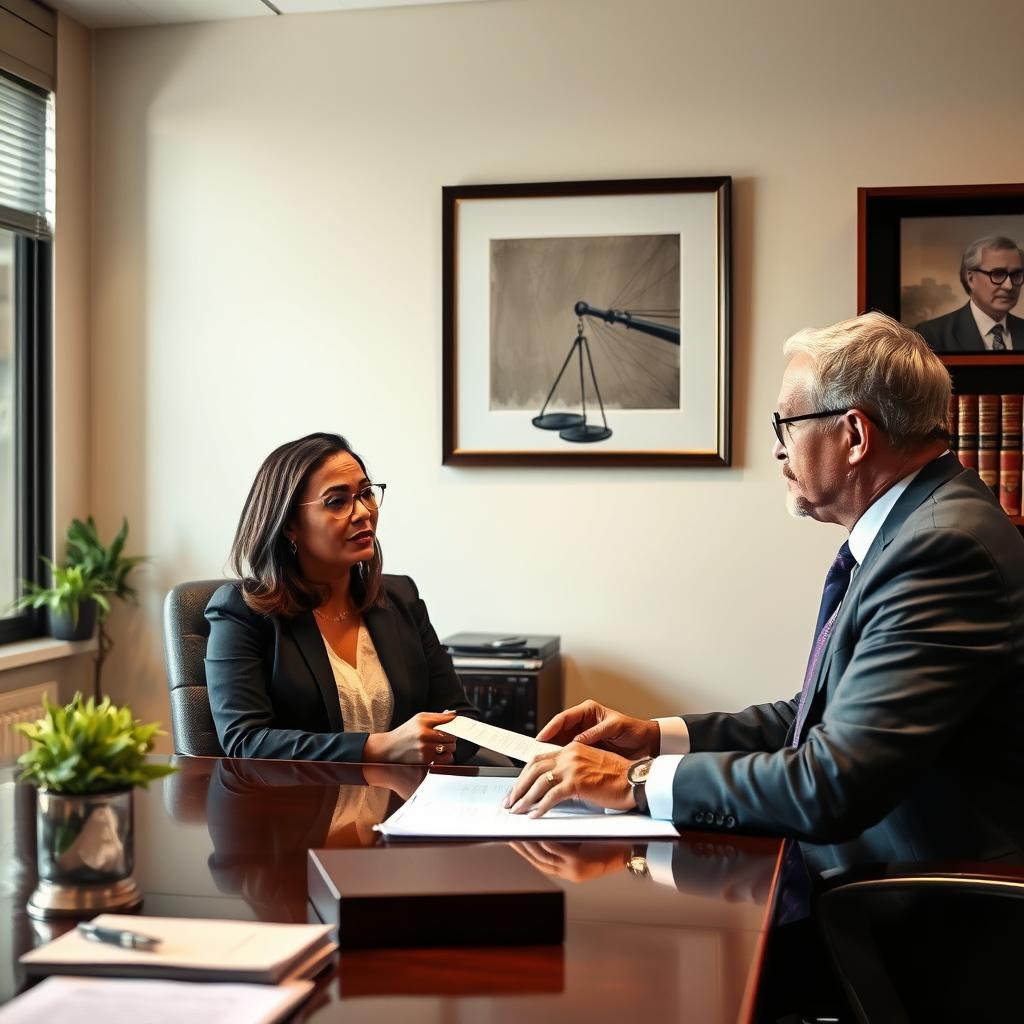
Graffiti Defense Lawyer Logan Circle, DC
Graffiti charges in the Logan Circle neighborhood of Washington, D.C. Are serious criminal matters prosecuted by the United States Attorney’s Office for the District of Columbia, not by a local district attorney. The District of Columbia is a federal territory, and all local crimes are prosecuted in D.C. Superior Court, located at 500 Indiana Avenue NW. A graffiti arrest can stem from a range of allegations—from painting or drawing on public or private property without permission to more extensive property damage. In Washington, D.C., graffiti offenses are typically charged under D.C. Code Title 22 as destruction of property or related crimes. A conviction can lead to incarceration, fines, community service, and a lasting criminal record that may affect employment, housing, and professional licensing. Because the government actively pursues property crimes, anyone facing a graffiti charge in Logan Circle needs an experienced defense lawyer. Mr. Sris and his Of Counsel team at Law Offices Of SRIS, P.C. represent individuals charged with graffiti and other criminal offenses in D.C. Superior Court. Reach our location at (888) 437-7747 to schedule a consultation. Law Offices Of SRIS, P.C. – Advocacy Without Borders.
What Graffiti Defense Means in Logan Circle
Logan Circle sits in the heart of Washington, D.C., an area with a mix of historic residences, commercial corridors, and public spaces. Graffiti enforcement in this neighborhood is often driven by community complaints and proactive police patrols. Charges can arise from allegations of tagging a building façade, spray-painting a business sign, or even drawing on a public bench. In Washington, D.C., a person accused of graffiti may face criminal charges under D.C. Code Title 22, which covers offenses such as destruction of property, malicious mischief, or criminal damage. The severity of the charge—misdemeanor or felony—often depends on the value of the property damage alleged. Prosecutors with the United States Attorney’s Office for D.C. Handle the case, not a local district attorney, and the proceedings occur in D.C. Superior Court, Criminal Division. The court is at 500 Indiana Avenue NW, immediately adjacent to the Judiciary Square Metro station. Our location serves clients from Logan Circle and across Washington, D.C., appearing on criminal matters at D.C. Superior Court. Because the local court has its own procedural rules and the prosecutor’s office operates with a unique federal-local hybrid authority, it is important to work with an attorney who understands how criminal cases move through this specific courthouse. A graffiti charge can disrupt a person’s life, and the prospect of a permanent conviction makes building a thorough defense urgent.
How Mr. Sris and His Of Counsel Handle Graffiti Defense Cases
When Mr. Sris and his Of Counsel take on a graffiti case in Logan Circle, the first step is a careful review of the government’s evidence. This includes police reports, witness statements, photographs of the alleged damage, and any surveillance footage. By examining how the evidence was gathered, the defense team looks for weaknesses—such as whether law enforcement properly identified the accused, whether any statements were obtained in compliance with constitutional requirements, and whether the damage amount alleged can be proven. Before the first court date, counsel works to have the client released under favorable conditions. Because Washington, D.C. Uses the Pretrial Services Agency instead of a traditional cash-bail system, release decisions are based on a risk assessment rather than a fixed bail schedule. Mr. Sris and his Of Counsel then engage with the prosecutor’s office, often exploring whether the charge can be reduced, dismissed outright, or resolved through an alternative disposition. If the case proceeds to trial in D.C. Superior Court, the defense team is prepared to challenge the government’s evidence, cross-examine witnesses, and present a strong case on behalf of the client. The firm has represented individuals facing misdemeanor and felony property-crime charges throughout Washington, D.C., and draws on extensive combined legal experience between Mr. Sris and his Of Counsel. Results may vary. Every client receives an honest evaluation and a clear explanation of the legal options at each stage, from the initial appearance through resolution.
About Mr. Sris and His Of Counsel Team
Mr. Sris, Owner and Founder of Law Offices Of SRIS, P.C., has practiced criminal defense in Washington, D.C. Since the firm was founded in 1997. A former prosecutor, he understands how the government builds its cases and uses that insight to construct a well-prepared defense for each client. Mr. Sris is admitted to practice law in Virginia, Maryland, the District of Columbia, New Jersey, and New York. He testified before the Virginia House Courts of Justice Committee in support of 2019 HB 635 (chief patron Del. David Bulova). His Of Counsel team includes lawyers with extensive trial experience, including in the local courts of Washington, D.C. Together, Mr. Sris and his Of Counsel bring extensive combined legal experience to graffiti defense and other criminal matters. The firm takes a collaborative approach, ensuring that each client receives focused attention and a strategic defense tailored to the specific facts of the case. Mr. Sris and his Of Counsel have documented case results across all practice areas since 1997. Results may vary. Reach our location at (888) 437-7747 to discuss your graffiti case.
Frequently Asked Questions
Who prosecutes a graffiti case in Washington, D.C.?
Graffiti cases in Washington, D.C. Are prosecuted by the United States Attorney’s Office for the District of Columbia, not by a local district attorney. Because the District of Columbia is a federal territory, local crimes under the D.C. Code are handled by federal prosecutors. All graffiti and other local criminal cases are heard at D.C. Superior Court, located at 500 Indiana Avenue NW. This unique federal-local hybrid system means the prosecutorial approach can differ from that of a traditional state court. Having a defense attorney familiar with the practices of the U.S. Attorney’s Office is important when facing any criminal charge in Logan Circle.
What are the possible consequences of a graffiti conviction in D.C.?
A graffiti conviction in Washington, D.C. Can result in incarceration, fines, community service, restitution to the property owner, and a permanent criminal record. The exact penalties depend on the statute charged—typically destruction of property under D.C. Code Title 22—and whether the offense is classified as a misdemeanor or a felony. A felony conviction carries more severe consequences, including longer incarceration and greater long-term collateral effects on employment, housing, and civil rights. A judge may also impose probation with conditions. An experienced defense lawyer can explain the specific potential penalties after reviewing the facts of the case.
Can graffiti charges be dismissed or reduced in D.C.?
Yes, graffiti charges can often be resolved short of a full trial through negotiation with the prosecutor. Depending on the strength of the government’s evidence, the value of the alleged damage, and the accused’s background, the U.S. Attorney’s Office may agree to amend the charge to a lesser offense, divert the case to a community-service program, or dismiss the case entirely if the evidence is weak. Mr. Sris and his Of Counsel routinely negotiate with prosecutors in D.C. Superior Court to pursue favorable outcomes. Every case is unique, and no particular result can be past results do not guarantee a similar outcome. For more information, contact Law Offices Of SRIS, P.C. at (888) 437-7747.
Do I need a lawyer for a graffiti charge in Logan Circle?
While you are not legally required to have a lawyer, the stakes of a criminal charge make legal representation critical. Even a misdemeanor graffiti conviction can create a record that follows you for years, affecting your ability to find work, secure housing, or obtain professional licenses. An attorney can investigate the case, identify procedural errors, challenge unreliable identification evidence, and negotiate with the prosecutor to seek a dismissal or a reduction of the charge. Mr. Sris and his Of Counsel protect clients’ rights at every stage, from the initial appearance through sentencing or trial. For a consultation, reach Mr. Sris and his Of Counsel at (888) 437-7747.
How does the court process work for a graffiti case in D.C.?
A graffiti case in Washington, D.C. Typically begins with an arrest and a presentment before a judge at D.C. Superior Court. At the presentment, the judge determines release conditions with input from the Pretrial Services Agency—D.C. Does not use cash bail. The court then schedules a status hearing. If the case is not resolved at that stage, it may proceed to a preliminary hearing for felony charges or directly to arraignment and trial. Throughout the process, the prosecutor and defense attorney may engage in plea negotiations. The timeline varies based on the complexity of the case and the court’s calendar. An attorney can guide you through each step and ensure you meet all court deadlines.
What should I do if I am arrested for graffiti in Logan Circle?
If you are arrested for graffiti in Washington, D.C., remain silent and ask to speak with an attorney. Anything you say to law enforcement can be used against you in court. Do not discuss the facts of the case with police officers or anyone else before you have legal counsel. Contact an experienced criminal defense lawyer as soon as possible. Mr. Sris and his Of Counsel can advise you on how to proceed, protect your rights, and begin building your defense. Reach our location at (888) 437-7747 to speak with a member of our team.
Our firm represents clients throughout the Washington, D.C. Area, including Logan Circle and nearby communities. Explore our related pages for more information:
- Washington, D.C. Criminal Defense Lawyer
- Georgetown Criminal Lawyer
- Spring Valley Criminal Lawyer
- Cleveland Park Criminal Lawyer
- Chevy Chase Criminal Lawyer
Primary legal resources for Washington, D.C.:
Attorney advertising. Prior results do not guarantee a similar outcome. Results may vary.
Case results depend on a variety of factors unique to each case.