
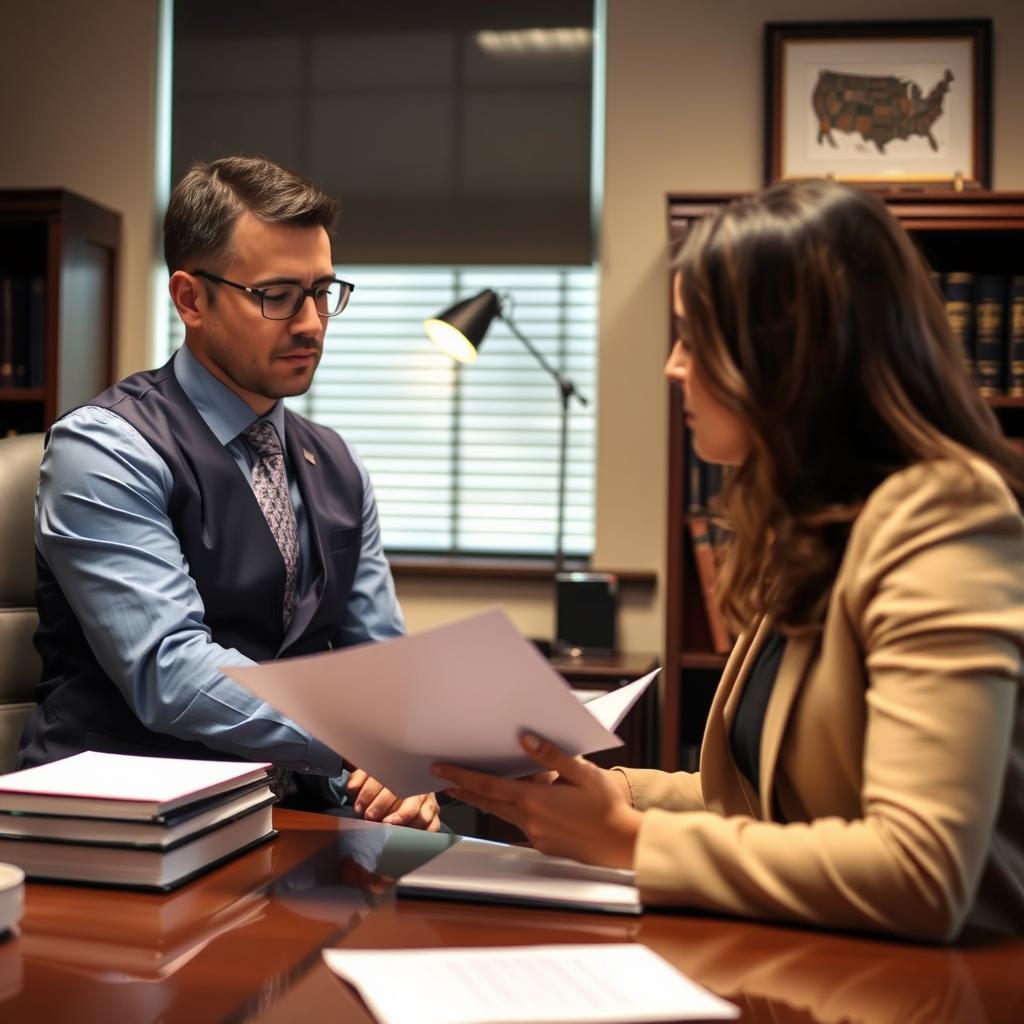
Resisting Arrest Lawyer Logan Circle, DC
If you are facing a charge of resisting arrest in Logan Circle, Washington, D.C., you need a defense team that understands how the District’s unique criminal justice system operates. Unlike most American cities, Washington, D.C., is a federal territory where local crimes under the D.C. Code are prosecuted by the United States Attorney’s Office for the District of Columbia—not by a local district attorney. The cases are heard in the D.C. Superior Court, Criminal Division, at 500 Indiana Avenue NW, and the process can be unfamiliar and intimidating. At Law Offices Of SRIS, P.C., Mr. Sris and his Of Counsel work to protect the rights of individuals charged with resisting arrest and other criminal offenses in Logan Circle and throughout the District. To request a consultation, call (888) 437-7747. Law Offices Of SRIS, P.C. – Advocacy Without Borders.
What Resisting Arrest Means in Logan Circle
Resisting arrest is a criminal charge that typically arises when a person allegedly interferes with a law enforcement officer’s attempt to make a lawful arrest. In the District of Columbia, such charges fall under the D.C. Code and are prosecuted at the D.C. Superior Court. Because D.C. Is a federal district with a hybrid prosecutorial structure, these cases are handled by Assistant United States Attorneys—federal prosecutors who appear in a local trial court. This unique setup means that a resisting arrest case in Logan Circle can involve both local procedural rules and the institutional practices of a federal prosecutor’s office.
In Logan Circle, arrests may be made by officers from the Metropolitan Police Department or, in some situations, by federal law enforcement personnel. After an arrest, the initial appearance typically takes place within 24 hours at the Superior Court, which is situated near the Judiciary Square Metro station on the Red Line—a short ride from Logan Circle. The D.C. Pretrial Services Agency (PSA) will conduct a risk assessment and make a release recommendation; D.C. Does not use a traditional cash bail system. Understanding these local procedures is an important part of mounting an effective defense, and Mr. Sris and his Of Counsel are familiar with how the court handles cases arising from the Logan Circle, U Street, and Shaw neighborhoods.
How Mr. Sris and His Of Counsel Handle Resisting Arrest Cases
When Law Offices Of SRIS, P.C. represents a client charged with resisting arrest in the District, the approach is thorough, proactive, and grounded in the specific practices of the D.C. Superior Court. Mr. Sris and his Of Counsel begin by examining every detail of the encounter that led to the charge: the officer’s basis for the stop or arrest, whether the officer’s actions were lawful, and whether the evidence supports the charge. In many resisting arrest cases, the central issue is whether the arrest itself was lawful, because a person generally may not be convicted of resisting an unlawful arrest.
The firm’s defense strategy may involve challenging the credibility of the officer’s account, scrutinizing body-worn camera footage, interviewing witnesses, and negotiating with the prosecutor to seek a dismissal or a reduction of the charge. Since D.C. Does not use cash bail, the focus quickly shifts to building a strong $1 rather than simply securing a client’s release. Mr. Sris and his Of Counsel appear regularly at the D.C. Superior Court and understand how prosecutors assigned to Logan Circle cases evaluate the strengths and weaknesses of a resisting arrest allegation. Every case is prepared as if it will go to trial, while at the same time exploring all avenues for a favorable resolution.
About Mr. Sris and His Of Counsel Team
Mr. Sris is the Owner and Founder of Law Offices Of SRIS, P.C. and has been practicing since 1997. A former prosecutor, he brings firsthand insight into how law enforcement and prosecuting offices build cases. Mr. Sris is admitted to practice in Virginia, Maryland, the District of Columbia, New Jersey, and New York, giving him a multi-state perspective that is valuable in a jurisdiction like D.C. Where federal and local criminal law often intersect. Mr. Sris testified before the Virginia House Courts of Justice Committee in support of 2019 HB 635 (chief patron Del. David Bulova).
Mr. Sris is supported by a team of experienced Of Counsel who contribute their own backgrounds to the firm’s criminal defense practice. This team includes attorneys who are licensed to practice in the District of Columbia and who have years of experience representing clients in the D.C. Superior Court. Together, Mr. Sris and his Of Counsel bring extensive combined legal experience to every case. Results may vary. The firm’s approach is collaborative, and every client receives attentive, strategic representation tailored to the specific facts of their resisting arrest charge.
Frequently Asked Questions
Who prosecutes criminal cases in Washington, D.C.?
Criminal cases in D.C. Are prosecuted by the United States Attorney’s Office for the District of Columbia (USAO-DC), not by a local district attorney. Because Washington, D.C. Is a federal territory, local offenses under the D.C. Code are handled by Assistant United States Attorneys—federal prosecutors appearing in the D.C. Superior Court. This hybrid system is unique among U.S. Cities. A resisting arrest charge originating in Logan Circle will be heard at the Superior Court, Criminal Division, located at 500 Indiana Avenue NW. The PSA handles pretrial release and does not use cash bail.
Does DC have cash bail?
No, the District of Columbia does not use a traditional cash bail system. Instead, the D.C. Pretrial Services Agency, a federal agency, conducts a risk assessment and makes a release recommendation to the court. Most defendants, including those charged with resisting arrest, are released without having to post money. This makes the early stages of a case less about securing a prompt release and more about building a strong defense from the outset.
Can I get my DC criminal record sealed?
Yes, under D.C. Code § 16‑803, you may be eligible to seal certain criminal records. The law allows for sealing of records where a charge resulted in an acquittal, a dismissal, or, after a waiting period, even some qualifying convictions. Marijuana-related offenses have broader sealing eligibility. Sealing a resisting arrest charge can be an important step in protecting your employment opportunities and other aspects of your life. Our attorneys can advise you on whether your case may qualify for record sealing.
What is resisting arrest under D.C. Law?
Resisting arrest in the District of Columbia generally involves knowingly and intentionally obstructing a law enforcement officer who is performing an official duty. The offense may be charged when a person physically opposes an arrest, flees from an officer, or otherwise interferes with the officer’s lawful actions. The specific charge can be brought as a misdemeanor under the D.C. Code, and a conviction can lead to incarceration, fines, and a permanent criminal record. Because the definition can encompass a wide range of conduct, a defense often focuses on whether the officer’s actions were lawful and whether the accused person acted knowingly.
What are the potential consequences of a resisting arrest conviction?
A conviction for resisting arrest in D.C. Can result in jail time, a fine, and a lasting criminal record. The exact penalty depends on the specific statute charged and the circumstances of the case. In addition to court-imposed penalties, a conviction may affect employment, professional licensing, immigration status, and other areas of life. Our firm works to pursue every available avenue to challenge the charge, negotiate a favorable resolution, or take the case to trial if necessary. To discuss your particular situation, reach Law Offices Of SRIS, P.C. at (888) 437-7747.
How can a lawyer help if I am charged with resisting arrest?
An experienced attorney can investigate the arrest, challenge the prosecution’s evidence, and seek a dismissal or reduction of the charge. In a resisting arrest case, crucial issues often include whether the initial stop was lawful, whether the officer used excessive force, and whether the defendant’s actions truly constitute resisting under the law. Mr. Sris and his Of Counsel examine these factors in detail, work to protect your rights, and guide you through each stage of the D.C. Superior Court process. For a consultation, reach Mr. Sris and his Of Counsel at (888) 437-7747.
Additional resources: criminal defense practice in Washington, D.C. | criminal lawyer near Georgetown | criminal representation in Spring Valley | criminal lawyer in Cleveland Park | criminal defense services near Chevy Chase
Attorney advertising. Prior results do not guarantee a similar outcome. Results may vary.
Case results depend on a variety of factors unique to each case.